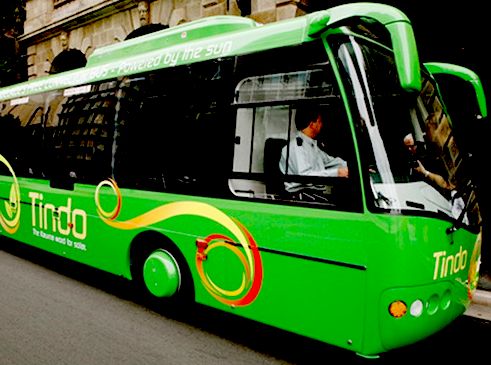
A recent survey has ranked Adelaide the most eco-friendly city in Australia.
With services ranging from green plumbing, eco-friendly pest control and even environmentally responsible sky diving, Adelaide has rocketed to the top beating out cities like Copenhagen in Denmark and Stockholm in Sweden!
We absolutely love to celebrate going green in all its forms, and this is the ultimate tribute to a dream made real after 10 years of hard work. Here are some fun facts about Adelaide - activities, hotels, and what makes it so sustainable!
1. Earthworms wiggle their way into helping the city. Did you know? The Adelaide Convention
Centre employs 800,000 of the little critters to turn food waste into
plant food.
2. The Miller Apartments is one of Adelaide's Eco Friendly Hotels. They are focused on making sure you have a comfortable holiday, while keeping their carbon footprint at an all time low. From solar powered gas heating for water to green star appliances throughout the hotel, these sustainable development techniques have changed the way you vacation forever.
3. Adelaide City Bikes have more than 500 bikes available for hire. Simply flash a valid form of identification, helmet up and cycle away!
4. Meet Tindo - the world's first solar powered bus. Tired from your bike ride? Glide around in this comfort of air-conditioning and upload those photos of all the greenery with the help of the wireless internet available on this bad boy.
5. Feeling adventurous? Head on over to SA Skydiving, where they plant a tree for every person who sky dives with their team! So far they have planted over 30,000 trees - how's that for an eco adventure?
There are a lot of different ways to make a positive change, and Adelaide has proven that anything is possible. If you can conceive it, you can make it happen.
The healthier choice for your family, your home & our environment
Showing posts with label eco friendly. Show all posts
Wednesday, August 27, 2014
Wednesday, September 4, 2013
Friday, June 7, 2013
Green Carpet Cleaning is here!
Unlike other cleaning processes that leave dirt-laden water behind or just clean the surface of your carpet or rug, Green Cleaners now offers the system used by the most demanding professional carpet cleaners around the world - Air Cell Extraction, which cleans all the way down to the base of your carpet and extracts all the soil in just one pass.
Air Cell Extraction technology uses thousands of tiny Air Cells which are 90% air and only 10% moisture, which prevents over wetting. Air Cell dramatically lowers moisture which eliminates problems associated with wet cleaning machines.
Reduced risks, Eco-friendly, Faster drying times...
• Reduce risk of accidental damage
• No danger of shrinkage, browning or mildew
• Reduce risk of bacteria and bad smells
• Dry time is only 1 - 2 hours
• US Green Seal certified chemical
• Deep cleaning and outstanding results
• Certified zero animal / alcohol bi-products in chemicals
Safer for people, pets and the environment.

To request a quotation for your office or home carpet or rug, please kindly email your enquiry to sales@greencleaners.asia
Reduced risks, Eco-friendly, Faster drying times...
• Reduce risk of accidental damage
• No danger of shrinkage, browning or mildew
• Reduce risk of bacteria and bad smells
• Dry time is only 1 - 2 hours
• US Green Seal certified chemical
• Deep cleaning and outstanding results
• Certified zero animal / alcohol bi-products in chemicals
Safer for people, pets and the environment.

To request a quotation for your office or home carpet or rug, please kindly email your enquiry to sales@greencleaners.asia
Tuesday, September 11, 2012
Thin Slicing, Malcolm Gladwell, and the Chinese character for listening
Apparently, the Chinese character for listening is made up of other characters (or perhaps traces of characters) for the ear, the eye, and the heart. That surely suggests something vital about listening. And listening is a skill that is in desperately short supply in this era of overstimulation and information overload.
One of the worst pieces of advice in recent years came in the Malcolm Gladwell book Blink in which he described the phenomenon of ‘thin-slicing’ people when you meet them by just getting a quick gut read on them in a matter of seconds or nano-seconds and then assuming that you’ve got all you need to know. Malcolm argues that thin-slicing is a reasonably accurate way of checking someone out.
Of course, if everyone did that, none of us would ever listen to anyone again. We’d save loads of time, and we’d learn virtually nothing about the external world. It’s a recipe for global disaster from an otherwise brilliant writer.
Which brings me back to listening and that Chinese character. We don’t need to listen less, or faster; we need to listen to each other more, and more deeply. We need to hear, and appreciate, and learn, each other’s stories. If you don’t think so, ask yourself this: when are you going to start paying attention? In the next life, whatever that is?
We need to listen to each other because life is precious, and short. We need to listen to each other because despite our superficial disagreements and differences, we humans are still the best hope and the gravest danger for the planet we call home. We need to listen to each other because we need to work together in peace in order to build a better world. We need to listen to each other because lives need to be shared, we are a communal species, and isolation kills.
Please. When you listen, listen with your whole body. Use your ears, of course, but also use your eye and your heart. Listen for the facts, of course, but also listen for the underlying emotions and values of the other person. Only when you listen that carefully and deeply can you begin to understand and then communicate with another person. I don’t know if the Chinese character for listening really does include the characters for the ear, the eye, and the heart, but I do know that listening needs to include all those things.
Let's start listening better to one another and maybe -- just maybe -- we can save this magical planet and the precious, irreplaceable people on it.
With thanks to Dr. Liane Davey for explaining the Chinese character to me.
Reposted from; http://publicwords.typepad.com/nickmorgan/2012/09/thin-slicing-malcolm-gladwell-and-the-chinese-character-for-listening.html
One of the worst pieces of advice in recent years came in the Malcolm Gladwell book Blink in which he described the phenomenon of ‘thin-slicing’ people when you meet them by just getting a quick gut read on them in a matter of seconds or nano-seconds and then assuming that you’ve got all you need to know. Malcolm argues that thin-slicing is a reasonably accurate way of checking someone out.
Of course, if everyone did that, none of us would ever listen to anyone again. We’d save loads of time, and we’d learn virtually nothing about the external world. It’s a recipe for global disaster from an otherwise brilliant writer.
Which brings me back to listening and that Chinese character. We don’t need to listen less, or faster; we need to listen to each other more, and more deeply. We need to hear, and appreciate, and learn, each other’s stories. If you don’t think so, ask yourself this: when are you going to start paying attention? In the next life, whatever that is?
We need to listen to each other because life is precious, and short. We need to listen to each other because despite our superficial disagreements and differences, we humans are still the best hope and the gravest danger for the planet we call home. We need to listen to each other because we need to work together in peace in order to build a better world. We need to listen to each other because lives need to be shared, we are a communal species, and isolation kills.
Please. When you listen, listen with your whole body. Use your ears, of course, but also use your eye and your heart. Listen for the facts, of course, but also listen for the underlying emotions and values of the other person. Only when you listen that carefully and deeply can you begin to understand and then communicate with another person. I don’t know if the Chinese character for listening really does include the characters for the ear, the eye, and the heart, but I do know that listening needs to include all those things.
Let's start listening better to one another and maybe -- just maybe -- we can save this magical planet and the precious, irreplaceable people on it.
With thanks to Dr. Liane Davey for explaining the Chinese character to me.
Reposted from; http://publicwords.typepad.com/nickmorgan/2012/09/thin-slicing-malcolm-gladwell-and-the-chinese-character-for-listening.html
Labels:
cleaners,
eco friendly,
environment,
green,
listening,
Singapore
Tuesday, January 10, 2012
5 Powerful Eco-Friendly Children’s Books
Numerous studies inform us that reading to our children stimulates their imaginations, expands vocabulary, develops analytical and logical thinking, strengthens the parent/child bond, increases attention span, creates a love of reading…and it’s a fun and loving thing to do together.
But we don’t need a study telling us knowledge is power. We know this every time we snuggle up with our child to read a book and they turn to us and ask, WHY.
Our children will inherit this planet, with all its troubles and all its beauty. Providing them with age-appropriate information about pollution gives our children a powerful edge for the future. Where can all that power come from? Books.
Here are 5 books that are a breath of fresh air, that teach us timeless lessons about loving the world we live in and the importance of protecting it.
1. One of the books included in the popular Magic School Bus series, "The Magic School Bus Gets Cleaned Up", illustrates how particulate matter from the old Magic School Bus’ diesel exhaust gets into the lungs. The book includes a clean air checklist with important tips like, “ask your bus driver to turn off the engine when the bus is parked.”
2. Children’s book author Dr. Barrett Hays created "Mars, Jimmy, and Me." This book combines humor, whimsy, and science to jumpstart an examination of pollution, economic justice, and individual responsibility. It tackles real environmental issues such as global warming, the use of plastic and the need to talk about clean air and it's connection to the rise of asthma in children, in a way that is easily grasped by readers if all ages.
3. A lovely picture poem book entitled "A House Is A House For Me" by Mary Ann Hoberman. The poem culminates with a clear message to protect our planet, “Each creature that’s known has a house of its own. And the Earth is a house for us all.”
4. Another book called "I Know the River Loves Me" tells the story of a little girl and her special relationship with a river. Written and illustrated by Maya Christina Gonzalez, this bilingual book is the perfect way to talk to children about the beauty of nature and why it’s important to preserve it.
5. No children’s bookshelf would be complete without Dr. Seuss’ iconic cautionary classic, The Lorax. The Lorax is profoundly upsetting and leaves the parent reading to the child to explain what that mysterious and ominous UNLESS means. While that does provide a terrific starting point for conversations about how pollution threatens the world we live in, it also makes for guilty throat clearing.
After all, the children have done nothing wrong and can do nothing to fix the problem. It is the grownups who are making this enormous mess. Unless, it turns out, is a message for parents. Unless we stop. Unless we teach our children to cherish the planet — by cherishing it ourselves.
But we don’t need a study telling us knowledge is power. We know this every time we snuggle up with our child to read a book and they turn to us and ask, WHY.
Our children will inherit this planet, with all its troubles and all its beauty. Providing them with age-appropriate information about pollution gives our children a powerful edge for the future. Where can all that power come from? Books.
Here are 5 books that are a breath of fresh air, that teach us timeless lessons about loving the world we live in and the importance of protecting it.
1. One of the books included in the popular Magic School Bus series, "The Magic School Bus Gets Cleaned Up", illustrates how particulate matter from the old Magic School Bus’ diesel exhaust gets into the lungs. The book includes a clean air checklist with important tips like, “ask your bus driver to turn off the engine when the bus is parked.”
2. Children’s book author Dr. Barrett Hays created "Mars, Jimmy, and Me." This book combines humor, whimsy, and science to jumpstart an examination of pollution, economic justice, and individual responsibility. It tackles real environmental issues such as global warming, the use of plastic and the need to talk about clean air and it's connection to the rise of asthma in children, in a way that is easily grasped by readers if all ages.
3. A lovely picture poem book entitled "A House Is A House For Me" by Mary Ann Hoberman. The poem culminates with a clear message to protect our planet, “Each creature that’s known has a house of its own. And the Earth is a house for us all.”
4. Another book called "I Know the River Loves Me" tells the story of a little girl and her special relationship with a river. Written and illustrated by Maya Christina Gonzalez, this bilingual book is the perfect way to talk to children about the beauty of nature and why it’s important to preserve it.
5. No children’s bookshelf would be complete without Dr. Seuss’ iconic cautionary classic, The Lorax. The Lorax is profoundly upsetting and leaves the parent reading to the child to explain what that mysterious and ominous UNLESS means. While that does provide a terrific starting point for conversations about how pollution threatens the world we live in, it also makes for guilty throat clearing.
After all, the children have done nothing wrong and can do nothing to fix the problem. It is the grownups who are making this enormous mess. Unless, it turns out, is a message for parents. Unless we stop. Unless we teach our children to cherish the planet — by cherishing it ourselves.
Labels:
eco friendly,
green,
schools,
Singapore
Tuesday, January 3, 2012
Six ways to save the planet
When faced with the whole idea of living the green way, it all seems too hard. But
If you want to do more or you want to make a start in living a more sustainable life but worry that it may be too time consuming, difficult or expensive, take the time to read on and see how simple - and enjoyable, going green can really be.
Tip 1: Use toxin-free everything, from shampoos to home cleansers, cosmetics to mouthwash. Here's a scary thought - did you know that many mouthwashes contain the chemicals formaldehyde, sodium lauryl sulphate, polysorbate, cetylpyridinium chloride and benzalkonium chloride?
All these can be highly toxic to aquatic life. So when you're spitting in the bathroom sink and washing it down the drain, you're adding to the toxic soup our waterways are becoming.
There's also a possibility that if you use the same chemical mouthwash again and again, your oral environment could become resistant, creating a mouthful of superbugs. The easiest and most effective mouthwash is good old salt and water. Add as much salt as possible to a glass of warm water and stir until dissolved then gargle with it. It also works for mouth infections.
For cleaning the home, you can't go past baking soda and vinegar. Try putting your baking soda in a talcum powder- like container and your vinegar in a pump spray bottle. Simply sprinkle the baking soda over the area needing to be cleaned and spray on the vinegar. Rub with a damp cloth and wash off with water. Not only will this do the job, it is also extremely cost effective because you can buy in bulk.
Tip 2: Reduce, reuse, recycle - everything possible.
To make this easy, set up a cupboard for recycling, complete with bins or boxes for plastics, paper and cardboard, bottles and jars. Before throwing out paper and jars, think creatively.
Paper can be used as weed matting for the garden, to wrap up Christmas presents or to feed the critters in your worm farm. You can also use unwanted pages to make your own paper, which can be turned into hand-made cards and other artsy offerings.
Old jars are perfect for holding just about everything. You can boil them clean and use them for home-made jams, chutneys, pickles and preserves, or for seeds, nuts and rice. If you can't find a use for them, take them to your local hospice shop, where they will surely be found re-useful!
When you head to the supermarket, make sure you've got a whole bunch of shopping bags with you. Make the effort and cut right down on those harmful plastic bags.
If you've got sick of some clothes or they don't fit any more, think creatively about what you can do with them.
Hand them down to a friend or get together with your creative crew and see what you can do with old clothes - take them in, jazz them up with lace, ribbons or buttons to radically remodel them. Add panels if they're too tight, and try hand-painting dull shirts or skirts. For those that you just don't see being worn by yourself again, remember there are salvation army branches popping up everywhere ready and willing to take on anything you can contribute from your closet.
Tip 3: Ditch the car and get active. If you've got two cars, carefully work out if you could co-operate to live with one. Or you could decide to have carless days or even choose to get on your bike for any journey within a five-kilometre radius of your home or catch the bus.
Walking is another great way to get around, but make certain you've got good shoes and opt for a backpack. Make a car-free travel plan. Not only do you save money on petrol and parking bills, you get to cut down your carbon footprint and exercise at the same time.
Supporting public transport also means fewer cars on the road and more chance of the service surviving. One day, the oil will run out, so get ready for it by imagining it's already happened. Work out how you'd get the groceries, visit the library or go out for dinner with no car available. Treat it as an adventure.
Tip 4: Focus on vegetables. Do your best to eat in season and local and have a go at growing your own produce without chemicals If you're a beginning gardener, start small. Try growing tomatoes or lettuces in a tub or pot. When planning a bigger garden, do your research first. It all begins with choosing a site that gets sun most of the day - facing northeast is ideal. You need to prepare the soil (best to do in winter), and get planting.
Head to your local farmers' market, car-boot sale or garden centre to buy seeds and seedlings and ask for advice on what you should be planting now and how to tend your vegetables.
Plan for the future by planting a fruit tree or two. When you pick your first ripe apple or plum you'll be delighted. Build a raised garden or make a circular bed, both of which should be easy to weed.
Also add more meat-free meals to your repertoire and try to include "super foods" that are great for your body and brain. They include apples, apricots, avocados, blueberries, broccoli, brown rice, carrots, garlic and onions, grapes and raisins, seaweed,mushrooms, nuts, oats, spirulina, sprouts, wheatgerm and yoghurt.
Best of all, feast on the best of the season until you're sick of cherries or grapes until next year, when you start all over again.
Tip 5: Make your own compost bin or worm farm. You don't need to buy anything flash - you can build your own from basic materials. For a worm farm, an old bath raised up on short poles will do the trick. Add your worms, your food scraps and cover with old carpet. The worm juice can be drained out of the bath for feeding plants and the castings added to the garden.
For an effective compost bin, simply build a two-bin wooden structure in the corner of your garden and fill up one side at a time. When one side is full, leave it to break down and fill up the other side. This is a wonderful way to use lawn clippings and food scraps. But, if you have a dog or cats, you will have to cover up to prevent them from snacking on things like corn cobs and egg shells.
You can use corrugated iron or old carpet for this job, but just make sure the compost doesn't get too hot or dry.
Tip 6: Unplug, switch off and power down.
This comes down to vigilance and will not only cut down energy usage (imagine if everyone did this!), it could slash your power bills. First step is to turn off lights when leaving rooms.
Unplug cellphone chargers when not in use and don't leave appliances on save mode - turn off at the wall. Some classic culprits are computers, laptops, stereos and TVs. When replacing home appliances, opt for those with Energy Star ratings and then use them well.
Your dishwasher will have an eco mode, so press those buttons. Wash clothes in cold water where possible and use your drier only in an emergency. Put up an indoor washing line in the garage or put a clothes horse in your sunroom.
Once a week, try having a technology-free day. If that's too much, try once a month.
That means no TV, computers, cellphones, PlayStation, X-box or MP3 players.
Imagine sitting around playing cards and board games or heading off for a day at the beach without anybody contacting you? Twenty years ago that was the norm for all, so show your kids what the good old days were like.
If you're thinking all this may be a bit much to begin with, move forward into going green with baby steps; try it one thing at a time and it's guaranteed that once you experience how good it feels to be doing your part, you'll been encouraged to keep making a difference.
Tip 1: Use toxin-free everything, from shampoos to home cleansers, cosmetics to mouthwash. Here's a scary thought - did you know that many mouthwashes contain the chemicals formaldehyde, sodium lauryl sulphate, polysorbate, cetylpyridinium chloride and benzalkonium chloride?
All these can be highly toxic to aquatic life. So when you're spitting in the bathroom sink and washing it down the drain, you're adding to the toxic soup our waterways are becoming.
There's also a possibility that if you use the same chemical mouthwash again and again, your oral environment could become resistant, creating a mouthful of superbugs. The easiest and most effective mouthwash is good old salt and water. Add as much salt as possible to a glass of warm water and stir until dissolved then gargle with it. It also works for mouth infections.
For cleaning the home, you can't go past baking soda and vinegar. Try putting your baking soda in a talcum powder- like container and your vinegar in a pump spray bottle. Simply sprinkle the baking soda over the area needing to be cleaned and spray on the vinegar. Rub with a damp cloth and wash off with water. Not only will this do the job, it is also extremely cost effective because you can buy in bulk.
Tip 2: Reduce, reuse, recycle - everything possible.
To make this easy, set up a cupboard for recycling, complete with bins or boxes for plastics, paper and cardboard, bottles and jars. Before throwing out paper and jars, think creatively.
Paper can be used as weed matting for the garden, to wrap up Christmas presents or to feed the critters in your worm farm. You can also use unwanted pages to make your own paper, which can be turned into hand-made cards and other artsy offerings.
Old jars are perfect for holding just about everything. You can boil them clean and use them for home-made jams, chutneys, pickles and preserves, or for seeds, nuts and rice. If you can't find a use for them, take them to your local hospice shop, where they will surely be found re-useful!
When you head to the supermarket, make sure you've got a whole bunch of shopping bags with you. Make the effort and cut right down on those harmful plastic bags.
If you've got sick of some clothes or they don't fit any more, think creatively about what you can do with them.
Hand them down to a friend or get together with your creative crew and see what you can do with old clothes - take them in, jazz them up with lace, ribbons or buttons to radically remodel them. Add panels if they're too tight, and try hand-painting dull shirts or skirts. For those that you just don't see being worn by yourself again, remember there are salvation army branches popping up everywhere ready and willing to take on anything you can contribute from your closet.
Tip 3: Ditch the car and get active. If you've got two cars, carefully work out if you could co-operate to live with one. Or you could decide to have carless days or even choose to get on your bike for any journey within a five-kilometre radius of your home or catch the bus.
Walking is another great way to get around, but make certain you've got good shoes and opt for a backpack. Make a car-free travel plan. Not only do you save money on petrol and parking bills, you get to cut down your carbon footprint and exercise at the same time.
Supporting public transport also means fewer cars on the road and more chance of the service surviving. One day, the oil will run out, so get ready for it by imagining it's already happened. Work out how you'd get the groceries, visit the library or go out for dinner with no car available. Treat it as an adventure.
Tip 4: Focus on vegetables. Do your best to eat in season and local and have a go at growing your own produce without chemicals If you're a beginning gardener, start small. Try growing tomatoes or lettuces in a tub or pot. When planning a bigger garden, do your research first. It all begins with choosing a site that gets sun most of the day - facing northeast is ideal. You need to prepare the soil (best to do in winter), and get planting.
Head to your local farmers' market, car-boot sale or garden centre to buy seeds and seedlings and ask for advice on what you should be planting now and how to tend your vegetables.
Plan for the future by planting a fruit tree or two. When you pick your first ripe apple or plum you'll be delighted. Build a raised garden or make a circular bed, both of which should be easy to weed.
Also add more meat-free meals to your repertoire and try to include "super foods" that are great for your body and brain. They include apples, apricots, avocados, blueberries, broccoli, brown rice, carrots, garlic and onions, grapes and raisins, seaweed,mushrooms, nuts, oats, spirulina, sprouts, wheatgerm and yoghurt.
Best of all, feast on the best of the season until you're sick of cherries or grapes until next year, when you start all over again.
Tip 5: Make your own compost bin or worm farm. You don't need to buy anything flash - you can build your own from basic materials. For a worm farm, an old bath raised up on short poles will do the trick. Add your worms, your food scraps and cover with old carpet. The worm juice can be drained out of the bath for feeding plants and the castings added to the garden.
For an effective compost bin, simply build a two-bin wooden structure in the corner of your garden and fill up one side at a time. When one side is full, leave it to break down and fill up the other side. This is a wonderful way to use lawn clippings and food scraps. But, if you have a dog or cats, you will have to cover up to prevent them from snacking on things like corn cobs and egg shells.
You can use corrugated iron or old carpet for this job, but just make sure the compost doesn't get too hot or dry.
Tip 6: Unplug, switch off and power down.
This comes down to vigilance and will not only cut down energy usage (imagine if everyone did this!), it could slash your power bills. First step is to turn off lights when leaving rooms.
Unplug cellphone chargers when not in use and don't leave appliances on save mode - turn off at the wall. Some classic culprits are computers, laptops, stereos and TVs. When replacing home appliances, opt for those with Energy Star ratings and then use them well.
Your dishwasher will have an eco mode, so press those buttons. Wash clothes in cold water where possible and use your drier only in an emergency. Put up an indoor washing line in the garage or put a clothes horse in your sunroom.
Once a week, try having a technology-free day. If that's too much, try once a month.
That means no TV, computers, cellphones, PlayStation, X-box or MP3 players.
Imagine sitting around playing cards and board games or heading off for a day at the beach without anybody contacting you? Twenty years ago that was the norm for all, so show your kids what the good old days were like.
If you're thinking all this may be a bit much to begin with, move forward into going green with baby steps; try it one thing at a time and it's guaranteed that once you experience how good it feels to be doing your part, you'll been encouraged to keep making a difference.
Labels:
eco friendly,
save the planet,
Singapore,
six ways
Thursday, September 8, 2011
New Eco-Friendly LED Salon Opens
Cesare Safieh, renowned California stylist for over 25 years, has just launched a flagship advanced-technology hair salon, located in Pasadena, California, where every detail enhances the experience of high-end hair styling. Bring together advanced lighting, specialized techniques, and state of the art hair extensions, all with an environmentally-conscious process.
Using all Light-Emitting Diode (LED) lighting throughout that emits no heat and gives true daylight color rendition while using a fraction of the energy of traditional bulbs, to a Portable Digital Ionic (PDI) hair drying system that cuts drying time in half while being energy efficient, to the latest hair technique 'Angles in Motion: Rock Your Hair' that combines mind, body movement and body positioning, to state-of-the-art products such as the revolutionary 10 Minute hair color from Schwazkopf Igora- that rebuilds the hair and stabilize the protein structure of the strands to improve condition as it colors, and the ability to attach eight hair extensions in just 45 seconds with the Laserbeamer XP System by Hairdreams, Cesare has created not just another salon but an experience for his clients. He has raised the bar for the evolution of hair salons.
The new Hair By Cesare contemporary salon is housed in a historic building in Old Town Pasadena at 170 so. De Lacey Ave. Pasadena CA 91105, and is infused with natural light allowing for every detail of the hair to be seen. Cesare has created high-end hair styling that is now a faster and environmentally-conscious process. The salon is the answer for those on the go who have no time to spend hours in the salon.
As the owner of Hair By Cesare, Inc, Inc., he has been creating unique European inspired hairstyles since 1979. His styles have graced the pages of many magazines such as Elle, Allure and Modern Bride. Talent and artistic acumen give Cesare a leading edge in creating today's new looks and tomorrows unforgettable styles. He is known to stay on top of cutting edge trends, continuing education monthly, attending shows and classes to keep abreast of the latest industry techniques.
An expert in 100% human hair extensions, Cesare can attach eight extension strands in 45 seconds. He is one of the top Laserbeamer XP System experts in the USA, using the innovative method to simultaneously bond to your own hair using a special device. In this way, hair extensions can be applied quickly and efficiently. This method lasts around four to five months. Cesare has pioneered a detailed blending technique for extensions. Trendy feathers and crystal highlights can also be added to any client's hair. His extensions are also know for adding volume and thickness to thinning hair.
Using all Light-Emitting Diode (LED) lighting throughout that emits no heat and gives true daylight color rendition while using a fraction of the energy of traditional bulbs, to a Portable Digital Ionic (PDI) hair drying system that cuts drying time in half while being energy efficient, to the latest hair technique 'Angles in Motion: Rock Your Hair' that combines mind, body movement and body positioning, to state-of-the-art products such as the revolutionary 10 Minute hair color from Schwazkopf Igora- that rebuilds the hair and stabilize the protein structure of the strands to improve condition as it colors, and the ability to attach eight hair extensions in just 45 seconds with the Laserbeamer XP System by Hairdreams, Cesare has created not just another salon but an experience for his clients. He has raised the bar for the evolution of hair salons.
The new Hair By Cesare contemporary salon is housed in a historic building in Old Town Pasadena at 170 so. De Lacey Ave. Pasadena CA 91105, and is infused with natural light allowing for every detail of the hair to be seen. Cesare has created high-end hair styling that is now a faster and environmentally-conscious process. The salon is the answer for those on the go who have no time to spend hours in the salon.
As the owner of Hair By Cesare, Inc, Inc., he has been creating unique European inspired hairstyles since 1979. His styles have graced the pages of many magazines such as Elle, Allure and Modern Bride. Talent and artistic acumen give Cesare a leading edge in creating today's new looks and tomorrows unforgettable styles. He is known to stay on top of cutting edge trends, continuing education monthly, attending shows and classes to keep abreast of the latest industry techniques.
An expert in 100% human hair extensions, Cesare can attach eight extension strands in 45 seconds. He is one of the top Laserbeamer XP System experts in the USA, using the innovative method to simultaneously bond to your own hair using a special device. In this way, hair extensions can be applied quickly and efficiently. This method lasts around four to five months. Cesare has pioneered a detailed blending technique for extensions. Trendy feathers and crystal highlights can also be added to any client's hair. His extensions are also know for adding volume and thickness to thinning hair.
Labels:
california,
eco friendly,
hair salon
Wednesday, July 27, 2011
Big banks jump on green bandwagon
Some banks are now offering discounted mortgages to people buying eco-friendly homes and Energy Star certified homes. The trend toward green living has finally caught the attention of the banking industry.
Banks have watched as consumers have made greener choices in everything from washing detergent and light bulbs to high-efficiency furnaces and solar energy panels. With consumers interested in greening their lives, most of Canada's major banks have seen the opportunity to offer "green mortgages," which offer homebuyers a discounted interest rate and other incentives to buy more environmentally sensitive houses or perform upgrades aimed at lowering their environmental footprint.
Consumers, especially first time buyers, are increasingly looking to green home upgrades to help the environment and lower the carrying costs of owning a new home.
According to surveys conducted by Leger Marketing, while Canadians are interested in lessening their impact on the environment, the decision to buy a "green home" is really being driven by saving cash, and more than 59 per cent of respondents cite financial savings as the main reason for making eco friendly upgrades and purchases. The results are not surprising, considering more than 51 per cent of survey respondents say utility costs are the biggest surprise financially when it comes to owning a home.
Having new windows, doors and a high-efficiency furnace can go a long way to help make those carrying costs more palatable, according to Leger, which found 92 per cent of Canadian respondents recognize the cost advantages of energy-efficient home upgrades.
It also found nearly half of all homebuyers plan to make investments in energy-efficient upgrades in the next year, especially with the anticipated extension of the federal government's ecoENERGY Retrofit program. The program allows Canadians to write off a portion of their green home renovations on their taxes.
The green trend isn't just infecting resale homebuyers. According to an EnerQuality Green Building survey released in November 2009, more than 40 per cent of Ontario homebuyers are willing to pay up to $10,000 more for a new green home, or a home that is Energy Star certified. It's almost double the 22 per cent of homebuyers who were willing to spend that amount of money in 2008.
While almost all of Canada's big banks are offering green mortgages, the loans aren't open to just anyone. Buyers must qualify for the green loan by proving that the house they are buying meets certain green energy standards, or that they will be completing certain green upgrades to the home shortly after moving in.
Incentives offered by the banks vary. Some will provide rebates equal to the cost of a home energy audit, which is around $300, and then a cash back incentive that can be used for green upgrades. Others offer discounts to posted mortgage rates.
Though wading through all these new options proves to be a daunting task, homeowners and those who are looking to make the move to a greener lifestyle have been diligent in getting all their goals in order with help from the banks and the useful information they provide.
Companies who are participating in this new wave of going green aim to make a considerable mark in lessening the disconcerting carbon footprint.
Banks have watched as consumers have made greener choices in everything from washing detergent and light bulbs to high-efficiency furnaces and solar energy panels. With consumers interested in greening their lives, most of Canada's major banks have seen the opportunity to offer "green mortgages," which offer homebuyers a discounted interest rate and other incentives to buy more environmentally sensitive houses or perform upgrades aimed at lowering their environmental footprint.Consumers, especially first time buyers, are increasingly looking to green home upgrades to help the environment and lower the carrying costs of owning a new home.
According to surveys conducted by Leger Marketing, while Canadians are interested in lessening their impact on the environment, the decision to buy a "green home" is really being driven by saving cash, and more than 59 per cent of respondents cite financial savings as the main reason for making eco friendly upgrades and purchases. The results are not surprising, considering more than 51 per cent of survey respondents say utility costs are the biggest surprise financially when it comes to owning a home.
Having new windows, doors and a high-efficiency furnace can go a long way to help make those carrying costs more palatable, according to Leger, which found 92 per cent of Canadian respondents recognize the cost advantages of energy-efficient home upgrades.
It also found nearly half of all homebuyers plan to make investments in energy-efficient upgrades in the next year, especially with the anticipated extension of the federal government's ecoENERGY Retrofit program. The program allows Canadians to write off a portion of their green home renovations on their taxes.
The green trend isn't just infecting resale homebuyers. According to an EnerQuality Green Building survey released in November 2009, more than 40 per cent of Ontario homebuyers are willing to pay up to $10,000 more for a new green home, or a home that is Energy Star certified. It's almost double the 22 per cent of homebuyers who were willing to spend that amount of money in 2008.
While almost all of Canada's big banks are offering green mortgages, the loans aren't open to just anyone. Buyers must qualify for the green loan by proving that the house they are buying meets certain green energy standards, or that they will be completing certain green upgrades to the home shortly after moving in.
Incentives offered by the banks vary. Some will provide rebates equal to the cost of a home energy audit, which is around $300, and then a cash back incentive that can be used for green upgrades. Others offer discounts to posted mortgage rates.
Though wading through all these new options proves to be a daunting task, homeowners and those who are looking to make the move to a greener lifestyle have been diligent in getting all their goals in order with help from the banks and the useful information they provide.
Companies who are participating in this new wave of going green aim to make a considerable mark in lessening the disconcerting carbon footprint.
Tuesday, July 26, 2011
Failed Paris Olympic bid site now an Eco Friendly Urban Park
Arriving from the urban jungle of Istanbul, the many neighborhood parks of Paris are literally a breath of fresh air, with their stately tress, colourful blossoms, duck filled ponds and content strollers. Many have given city dwellers a natural respite for hundreds of years, but one of the most impressive is just a few years old – a space that may not have existed had Paris won it’s bid for the 2012 Olympics.
Bested by London for the honor of hosting the international games, Paris instead moved to transform the area in Clichy – Batignolles into the now lively Parc Martin Luther King, allowing families to enjoy picnics, lounging on lush young grass and resting on lounges found all around the beautiful area.
This park is home to many various trees including magnolias, cherry, apple and dogwoods. Its shrubbery is meticulously maintained as are the flowers, the lawn and a colourful community of herbs and vegetables.
The city plans to further develop the area to include apartments, office spaces, shops, school and even an expanded metro line. The park, which is to be further enlarged, will remain to be the centrepiece of the ecological development in line with the utmost goal which has been to emphasize the essentials of what a green space really is: a corner for nature in the heart of a city; one that is beautiful, fragile and productive.
There’s another reason to fly over there for a holiday, not to say that Paris lacks any luster when it comes to attracting tourists!
Bested by London for the honor of hosting the international games, Paris instead moved to transform the area in Clichy – Batignolles into the now lively Parc Martin Luther King, allowing families to enjoy picnics, lounging on lush young grass and resting on lounges found all around the beautiful area.This park is home to many various trees including magnolias, cherry, apple and dogwoods. Its shrubbery is meticulously maintained as are the flowers, the lawn and a colourful community of herbs and vegetables.
The city plans to further develop the area to include apartments, office spaces, shops, school and even an expanded metro line. The park, which is to be further enlarged, will remain to be the centrepiece of the ecological development in line with the utmost goal which has been to emphasize the essentials of what a green space really is: a corner for nature in the heart of a city; one that is beautiful, fragile and productive.
There’s another reason to fly over there for a holiday, not to say that Paris lacks any luster when it comes to attracting tourists!
Labels:
development,
eco friendly,
olympics,
paris
Monday, June 13, 2011
Adelaide shows off Australia's first 5 Green Star Hospital
Adelaide’s redeveloped Flinders Medical Centre has become the country’s first hospital project to receive a 5 Star Green Star rating.
The hospital’s New South Wing has been awarded the Healthcare Design v1 Certified rating by the Green Building Council of Australia (GBCA) for excellence in environmentally sustainable design as part of the $160 million redevelopment; it is the first hospital in Australia to be awarded under the Green Star Healthcare v1 Tool.
Woodhead Architects designed the project in conjunction with building services engineers and sustainability consultants.
The redevelopment includes the four-level New South Wing, opened in 2009, which houses medical consulting and outpatient clinics, a labour and delivery unit and an obstetrics and gynaecology unit. ECOM implemented a range of sustainable features including one of Australia’s largest energy-efficient centralised air-conditioning systems, a 286-panel solar hot water system and extensive grey-water and rainwater harvesting. These sustainability measures are set to help reduce greenhouse gas emissions and water usage by a significant amount.
A displacement air conditioning system supplies patients’ rooms with heat recovered from exhaust air paths, which is the first application in a South Australian hospital supplying improved indoor air quality and a low energy solution.
The 286-panel solar hot water system is designed to reduce recurrent energy costs by $400,000 per year and annual carbon dioxide emissions by 70 per cent. On each level sub-meters monitor electricity, hot and cold water use and chilled and heating water consumption in real-time. They are connected to the building management system and enable tracking over time.
Water-saving measures designed to drastically reduce water consumption include rainwater harvesting from the hospital roof to large tanks for toilet flushing and fire testing, as well as high water-efficiency tapware, showerheads and toilets.
The new wing also includes purpose-designed external fixed shading devices to maximise light penetration while minimising solar heat gain, and high efficiency glazing.
Here's to hoping more institutions find inspiration and revamp their old ways towards a greener path!
The hospital’s New South Wing has been awarded the Healthcare Design v1 Certified rating by the Green Building Council of Australia (GBCA) for excellence in environmentally sustainable design as part of the $160 million redevelopment; it is the first hospital in Australia to be awarded under the Green Star Healthcare v1 Tool.
Woodhead Architects designed the project in conjunction with building services engineers and sustainability consultants.
The redevelopment includes the four-level New South Wing, opened in 2009, which houses medical consulting and outpatient clinics, a labour and delivery unit and an obstetrics and gynaecology unit. ECOM implemented a range of sustainable features including one of Australia’s largest energy-efficient centralised air-conditioning systems, a 286-panel solar hot water system and extensive grey-water and rainwater harvesting. These sustainability measures are set to help reduce greenhouse gas emissions and water usage by a significant amount.A displacement air conditioning system supplies patients’ rooms with heat recovered from exhaust air paths, which is the first application in a South Australian hospital supplying improved indoor air quality and a low energy solution.
The 286-panel solar hot water system is designed to reduce recurrent energy costs by $400,000 per year and annual carbon dioxide emissions by 70 per cent. On each level sub-meters monitor electricity, hot and cold water use and chilled and heating water consumption in real-time. They are connected to the building management system and enable tracking over time.
Water-saving measures designed to drastically reduce water consumption include rainwater harvesting from the hospital roof to large tanks for toilet flushing and fire testing, as well as high water-efficiency tapware, showerheads and toilets.
The new wing also includes purpose-designed external fixed shading devices to maximise light penetration while minimising solar heat gain, and high efficiency glazing.
Here's to hoping more institutions find inspiration and revamp their old ways towards a greener path!
Labels:
Adelaide,
design,
eco friendly,
green buildings,
green cleaners,
hospital
Saturday, June 11, 2011
New Eco-Friendly Lunch Sack to Send Kids Back to School the Green Way
If they had this during my generation, the level of awareness would be significantly higher. Parents today have no excuse!
A new eco-friendly lunch sack featuring Jimmy from the book "Jimmy's Gone Green" is sure to be a hit among children this back-to-school season.
Kids Smart Publishing and Kids Konserve, a leading reusable lunchware company, have collaborated to create a new eco-friendly lunch sack featuring the star of the picture book "Jimmy's Gone Green."
The reusable lunch sack, made with 100 percent recycled cotton and printed with vegetable-based inks, is free of BPA, lead and phthalate, and is sure to be a hit among kids and parents.
The machine-washable lunch sack is designed to replace paper lunch bags, which contribute to an estimated 67 pounds of lunchtime waste per child each year.
"We hope Jimmy will encourage families to choose safe, earth-friendly products over those that may be harmful to both the environment and kids," said Monique Harris, spokesperson for KS Publications, Inc., the parent company of Kids Smart Publishing.
To celebrate the release of the new Jimmy's Gone Green Reusable Lunch Sack, Kids Smart Publishing is giving away 100 FREE lunch sacks to the next 100 people who buy Jimmy's picture book, "Jimmy's Gone Green," at http://www.jimmysgonegreen.com.
In addition, Kids Smart Publishing is donating copies of "Jimmy's Gone Green" to elementary school libraries in order to help increase children's access to green books and help raise environmental awareness among young children.
"The book is a great introduction to what it means to go green," said Monique Harris. "It fosters conversation and encourages children to ask questions about the environment and how they can make a difference."
Jimmy's picture book "Jimmy's Gone Green" and his new reusable lunch sack are available at select retailers and at http://www.jimmysgonegreen.com.
A new eco-friendly lunch sack featuring Jimmy from the book "Jimmy's Gone Green" is sure to be a hit among children this back-to-school season.
Kids Smart Publishing and Kids Konserve, a leading reusable lunchware company, have collaborated to create a new eco-friendly lunch sack featuring the star of the picture book "Jimmy's Gone Green."
The reusable lunch sack, made with 100 percent recycled cotton and printed with vegetable-based inks, is free of BPA, lead and phthalate, and is sure to be a hit among kids and parents.
The machine-washable lunch sack is designed to replace paper lunch bags, which contribute to an estimated 67 pounds of lunchtime waste per child each year.
"We hope Jimmy will encourage families to choose safe, earth-friendly products over those that may be harmful to both the environment and kids," said Monique Harris, spokesperson for KS Publications, Inc., the parent company of Kids Smart Publishing.
To celebrate the release of the new Jimmy's Gone Green Reusable Lunch Sack, Kids Smart Publishing is giving away 100 FREE lunch sacks to the next 100 people who buy Jimmy's picture book, "Jimmy's Gone Green," at http://www.jimmysgonegreen.com.
In addition, Kids Smart Publishing is donating copies of "Jimmy's Gone Green" to elementary school libraries in order to help increase children's access to green books and help raise environmental awareness among young children.
"The book is a great introduction to what it means to go green," said Monique Harris. "It fosters conversation and encourages children to ask questions about the environment and how they can make a difference."
Jimmy's picture book "Jimmy's Gone Green" and his new reusable lunch sack are available at select retailers and at http://www.jimmysgonegreen.com.
Labels:
eco friendly,
jimmy,
kids,
schools
Wednesday, June 8, 2011
Eco-friendly weddings are becoming the norm
Since this seems to be the season of weddings and engagements – it’s all over my social networks – I’ve decided to post another useful blog, for those who are currently racking their brains for wedding ideas! After all, the royal wedding may have been about the fairy tale, but modern couples are ready for a reality check.
Many couples aren't walking down the aisle at all - they are saying, "I do" after wading through the buffalo grass. And on their walls are artistic portraits of the bridal party against an unfinished brick wall.
Weddings have evolved into the 21st century, and many couples are taking cues from the environment and their urban lifestyles.
At their upcoming nuptials this weekend, Tulsan Scott Vrooman and his business partner and fiancee, Mary Kreider, will be married on the 3,700-square-foot roof of their business, TriArch Architecture, 618 E. Third St. They designed the building with an eco-friendly roof complete with a large patch of buffalo grass. So before about 70 guests this weekend, they'll be married in the open air with downtown Tulsa as a backdrop. "As architects, we try to teach people about being green, and we wanted to put our money where our mouth is," Vrooman said.
Wedding couples have become more environmentally conscious over the past few years, said Meghan Hurley, owner of Concepts PR in Tulsa. She said her clients are aware of the amount of resources they use for their weddings. "Couples are more concerned with giving back," Hurley said. "They are more aware of how much is consumed and thrown away for a wedding on one day."
Using green materials, and even the color green, are trends that began on the East and West coasts but are emerging in Tulsa, she said. "They're using items that are more recyclable. Invitations are what really started the trend. They're using recycled paper made from different fibers. And they've been using bamboo fibers in linens and napkins," she said. "Some are using living centerpieces that guests can take home, like a tree or, again, bamboo."
And couples are certainly conscious of their wedding's setting - not only its location but also what it says about them as a couple. "We would spend so much time up there (on the roof) that we thought it would be great to share that with people," Vrooman said.
"On the roof itself, we'll probably not even decorate a lot," said Kreider, who is an interior designer. "We think it'll be simple and elegant." Hurley said couples are choosing downtown as their wedding backdrop - and even for wedding portraits - because they appreciate its history and architecture.
"The traditional, fuzzy-edged photo is not what people want anymore," she said. "They want to show what is realistic. Yes, it's a fairy-tale day, but again, it's one day. They'll have a whole marriage to spend together. "They like the photojournalism look any more, capturing real moments," Hurley said.
After the ceremony, Vrooman and Kreider will host their reception downstairs in the main offices, which they also use for parties. The LEED-certified building was built in 1919 and was once a distribution center for a bread company.
If they choose to, Scott and Mary can tiptoe through the grass - on their roof.
Ways to have a 'green' wedding
Use invitations made from recycled paper. Or, if it's a casual affair, some couples are choosing to go paperless - by using an e-vite. Yes, etiquette experts might be offended, so make sure to explain your goal: to consume less.
Use living centerpieces. Small trees, herbs, shrubs or annuals make beautiful summer centerpieces. Encourage your guests to take them home and plant them to enjoy long after the wedding is over.
Give eco-friendly wedding favors. Seed packets are all the rage at green weddings. Some companies will print your names and the date of the wedding on them so guests will remember your special day. For more, visit tulsaworld.com/greenfavors
Make it vintage. Update your mother's or grandmother's wedding gown, or even exchange family or heirloom rings. It will reduce consumption, and it's in style. "Vintage and rustic are very much in," said Meghan Hurley, owner of Concepts PR in Tulsa. "But it's a rustic-chic, or a country-chic." So using the old and the new is still important.
Sustainable bites. Choose organic or local produce and meats for your menu. Many local caterers are only too happy to use fresh vegetables from the farmers markets. And summer is the prime time to choose fresh products from the area.
Just keep in mind that at the end of the day, your wedding day and all the preparations leading to it are meant to be reminders of a love that you continue to share and grow into, so whatever path you choose to take, take time to appreciate the process and enjoy the ride!
Many couples aren't walking down the aisle at all - they are saying, "I do" after wading through the buffalo grass. And on their walls are artistic portraits of the bridal party against an unfinished brick wall.
Weddings have evolved into the 21st century, and many couples are taking cues from the environment and their urban lifestyles.
At their upcoming nuptials this weekend, Tulsan Scott Vrooman and his business partner and fiancee, Mary Kreider, will be married on the 3,700-square-foot roof of their business, TriArch Architecture, 618 E. Third St. They designed the building with an eco-friendly roof complete with a large patch of buffalo grass. So before about 70 guests this weekend, they'll be married in the open air with downtown Tulsa as a backdrop. "As architects, we try to teach people about being green, and we wanted to put our money where our mouth is," Vrooman said.Wedding couples have become more environmentally conscious over the past few years, said Meghan Hurley, owner of Concepts PR in Tulsa. She said her clients are aware of the amount of resources they use for their weddings. "Couples are more concerned with giving back," Hurley said. "They are more aware of how much is consumed and thrown away for a wedding on one day."
Using green materials, and even the color green, are trends that began on the East and West coasts but are emerging in Tulsa, she said. "They're using items that are more recyclable. Invitations are what really started the trend. They're using recycled paper made from different fibers. And they've been using bamboo fibers in linens and napkins," she said. "Some are using living centerpieces that guests can take home, like a tree or, again, bamboo."
And couples are certainly conscious of their wedding's setting - not only its location but also what it says about them as a couple. "We would spend so much time up there (on the roof) that we thought it would be great to share that with people," Vrooman said.
"On the roof itself, we'll probably not even decorate a lot," said Kreider, who is an interior designer. "We think it'll be simple and elegant." Hurley said couples are choosing downtown as their wedding backdrop - and even for wedding portraits - because they appreciate its history and architecture.
"The traditional, fuzzy-edged photo is not what people want anymore," she said. "They want to show what is realistic. Yes, it's a fairy-tale day, but again, it's one day. They'll have a whole marriage to spend together. "They like the photojournalism look any more, capturing real moments," Hurley said.
After the ceremony, Vrooman and Kreider will host their reception downstairs in the main offices, which they also use for parties. The LEED-certified building was built in 1919 and was once a distribution center for a bread company.
If they choose to, Scott and Mary can tiptoe through the grass - on their roof.
Ways to have a 'green' wedding
Use invitations made from recycled paper. Or, if it's a casual affair, some couples are choosing to go paperless - by using an e-vite. Yes, etiquette experts might be offended, so make sure to explain your goal: to consume less.
Use living centerpieces. Small trees, herbs, shrubs or annuals make beautiful summer centerpieces. Encourage your guests to take them home and plant them to enjoy long after the wedding is over.
Give eco-friendly wedding favors. Seed packets are all the rage at green weddings. Some companies will print your names and the date of the wedding on them so guests will remember your special day. For more, visit tulsaworld.com/greenfavors
Make it vintage. Update your mother's or grandmother's wedding gown, or even exchange family or heirloom rings. It will reduce consumption, and it's in style. "Vintage and rustic are very much in," said Meghan Hurley, owner of Concepts PR in Tulsa. "But it's a rustic-chic, or a country-chic." So using the old and the new is still important.
Sustainable bites. Choose organic or local produce and meats for your menu. Many local caterers are only too happy to use fresh vegetables from the farmers markets. And summer is the prime time to choose fresh products from the area.
Just keep in mind that at the end of the day, your wedding day and all the preparations leading to it are meant to be reminders of a love that you continue to share and grow into, so whatever path you choose to take, take time to appreciate the process and enjoy the ride!
Labels:
eco friendly,
engagements,
green,
traditional,
weddings
Tuesday, June 7, 2011
Eco-friendly ideas to keep kids busy this Summer
It’s summer and there’s one thing parents hate to hear from the kids, “I’m bored!” While you’re looking for easy ways to entertain the kiddies, you can also Do Your Part to pass along important lessons on being eco-friendly. Here are 5 green ways to keep kids busy all summer long – certified to keep boredom at bay!
1) Have an Eco-Adventure
Eco-adventures don’t have to be a daunting task. They can be anything you want them to be! A simple walk or hike is the perfect opportunity to learn about the trees, flowers, and insects you might see. Or, think bigger. Check out national parks around your area; they are affordable and filled with all sorts of possible adventures from camping to horseback riding and even kayaking.
2) Get Crafty
One of the best ways to take care of the planet is to get more life from things you already have. So instead of tossing out things like milk cartons, cereal boxes, or old t-shirts, show your kids how to transform them into something new and useful. Some crafts children love are making bird feeders, crafting t-shirt tote bags, and creating a kids’ organizer from “trash.”
3) Grow a Garden
This activity is downright fun for parents. Watching children turn seeds into food is always a thrill. They learn about where their food comes from, how to care for their crops, and they get to eat up all their hard work. Plus, you’ll know exactly what’s in the fruits and veggies your family is eating. Give your kids a couple packets of seeds and a window box or planter full of healthy soil and let them have fun getting dirty.
4) Visit the Library
Don’t spend money or resources on brand new books and videos when you can get an endless supply at your local library. Plus, most libraries have special readings and presentations for every age group throughout the summer at no cost. If you’re looking to check out books that teach an important environmental message, start with The Lorax by Dr. Seuss, which teaches children about the importance of trees. Here Comes the Garbage Barge by Jonah Winter talks trash and shows us why we can’t keep adding to the garbage pile. And, Good Growing: A Kids’ Guide to Gardening helps kids start a garden no matter how much (or how little) space they have.
5) Be Charitable
An important lesson for all children to learn is to how to be charitable. This summer, don’t let shoes, clothes, toys, bikes, and the like sit around your home when there is a lot of life left in them. Sifting through closets is not only a good way to spend quality time with the family, it’s also a great reminder to appreciate what you have.
What are you waiting for? Hit the ground running this summer and dare to come up with your own spectacular green ideas!
1) Have an Eco-Adventure
Eco-adventures don’t have to be a daunting task. They can be anything you want them to be! A simple walk or hike is the perfect opportunity to learn about the trees, flowers, and insects you might see. Or, think bigger. Check out national parks around your area; they are affordable and filled with all sorts of possible adventures from camping to horseback riding and even kayaking.
2) Get Crafty
One of the best ways to take care of the planet is to get more life from things you already have. So instead of tossing out things like milk cartons, cereal boxes, or old t-shirts, show your kids how to transform them into something new and useful. Some crafts children love are making bird feeders, crafting t-shirt tote bags, and creating a kids’ organizer from “trash.”
3) Grow a Garden
This activity is downright fun for parents. Watching children turn seeds into food is always a thrill. They learn about where their food comes from, how to care for their crops, and they get to eat up all their hard work. Plus, you’ll know exactly what’s in the fruits and veggies your family is eating. Give your kids a couple packets of seeds and a window box or planter full of healthy soil and let them have fun getting dirty.
4) Visit the Library
Don’t spend money or resources on brand new books and videos when you can get an endless supply at your local library. Plus, most libraries have special readings and presentations for every age group throughout the summer at no cost. If you’re looking to check out books that teach an important environmental message, start with The Lorax by Dr. Seuss, which teaches children about the importance of trees. Here Comes the Garbage Barge by Jonah Winter talks trash and shows us why we can’t keep adding to the garbage pile. And, Good Growing: A Kids’ Guide to Gardening helps kids start a garden no matter how much (or how little) space they have.
5) Be Charitable
An important lesson for all children to learn is to how to be charitable. This summer, don’t let shoes, clothes, toys, bikes, and the like sit around your home when there is a lot of life left in them. Sifting through closets is not only a good way to spend quality time with the family, it’s also a great reminder to appreciate what you have.
What are you waiting for? Hit the ground running this summer and dare to come up with your own spectacular green ideas!
Labels:
activities,
eco friendly,
fun,
going green,
holidays,
kids,
Singapore,
summer
Saturday, June 4, 2011
Running for the oceans
Dear All,
Next week, on Sunday 12 June, one of our loyal clients (along with two friends) will run a half-marathon in the Laguna Phuket International Marathon.
They will be running for a cause: Protect our oceans!
Team Thalassa Phuket (Cait, Lizzy & Mia) will run to help raise funds for Project AWARE, a non-profit organisation whose mission is to conserve underwater environments through education, advocacy and action (http://www.projectaware.org/).
Please help support them and email your pledges at Team.Thalassa.Phuket@gmail.com by Sunday 12 June and they will make a combined donation to Project AWARE after the run.
Please feel free to forward this email to anyone who might be interested in supporting this cause.

Did you know…
- Whales have now resorted to shouting (as opposed to singing) as the oceans are now so noisy thanks to increased shipping and deep sea drilling.
- Humans generate waste faster than it can be broken down and use up resources faster than they can be replaced. Nearly 90 percent of all marine debris is plastic. To date, plastic outweighs zooplankton 6:1.
- Entanglement and ingestion of fishing line, nets, rope and other debris has been reported in more than 260 animal species worldwide.
- More than 1 million seabirds are killed by aquatic litter each year.
- An estimated 100,000 marine mammals including dolphins, whales, seals and sea turtles choke or get tangled in debris every year. 86 percent of all sea turtles are affected by marine debris.
- An estimated 46,000 pieces of plastic litter alone are floating on every square mile of ocean – 70 percent of which will eventually sink. A plastic bag takes 10 to 20 years to degrade in the environment.
- It takes glass bottles one million years to biodegrade in the natural environments.
- An aluminum can takes 80 to 200 years to break down in the environment and 6-pack holder rings 450 years.
- It takes a cigarette filter one to five years and a newspaper six weeks to degrade in the environment.
Thank you for your support!
Next week, on Sunday 12 June, one of our loyal clients (along with two friends) will run a half-marathon in the Laguna Phuket International Marathon.
They will be running for a cause: Protect our oceans!
Team Thalassa Phuket (Cait, Lizzy & Mia) will run to help raise funds for Project AWARE, a non-profit organisation whose mission is to conserve underwater environments through education, advocacy and action (http://www.projectaware.org/).
Please help support them and email your pledges at Team.Thalassa.Phuket@gmail.com by Sunday 12 June and they will make a combined donation to Project AWARE after the run.
Please feel free to forward this email to anyone who might be interested in supporting this cause.

Did you know…
- Whales have now resorted to shouting (as opposed to singing) as the oceans are now so noisy thanks to increased shipping and deep sea drilling.
- Humans generate waste faster than it can be broken down and use up resources faster than they can be replaced. Nearly 90 percent of all marine debris is plastic. To date, plastic outweighs zooplankton 6:1.
- Entanglement and ingestion of fishing line, nets, rope and other debris has been reported in more than 260 animal species worldwide.
- More than 1 million seabirds are killed by aquatic litter each year.
- An estimated 100,000 marine mammals including dolphins, whales, seals and sea turtles choke or get tangled in debris every year. 86 percent of all sea turtles are affected by marine debris.
- An estimated 46,000 pieces of plastic litter alone are floating on every square mile of ocean – 70 percent of which will eventually sink. A plastic bag takes 10 to 20 years to degrade in the environment.
- It takes glass bottles one million years to biodegrade in the natural environments.
- An aluminum can takes 80 to 200 years to break down in the environment and 6-pack holder rings 450 years.
- It takes a cigarette filter one to five years and a newspaper six weeks to degrade in the environment.
Thank you for your support!
Labels:
clean,
eco friendly,
oceans,
phuket,
project aware,
protect
Thursday, May 19, 2011
Consumers go green for cleaning products
Consumers are voting with their wallets and opting for eco-friendly laundry products, consumer research shows.
The latest Canstar Blue independent consumer survey of 2500 Australian consumers, released on Thursday, revealed that Aldi, which recently committed to banning phosphate detergents, has the most satisfied laundry powder customers.
"Consumers are undoubtedly becoming more aware of their eco-footprint and consumers are starting to vote with their wallets by choosing products that are kinder on the environment," said Canstar Cannex head of research Steve Mickenbecker.

Mr Mickenbecker said brands are responding to the demand, with Aldi banning phosphate detergents across their entire range by the end of 2013.
Coles and Woolworths, the two major supermarket chains, quickly followed Aldi's lead.
Phosphates are used in many laundry products because they soften hard water and break down dirt, but once released in the water they have a harmful effect on lakes and rivers.
The research also showed that Australian consumers are going one step further, with one in four people using leftover water from their washing machine in the garden.
The latest Canstar Blue independent consumer survey of 2500 Australian consumers, released on Thursday, revealed that Aldi, which recently committed to banning phosphate detergents, has the most satisfied laundry powder customers.
"Consumers are undoubtedly becoming more aware of their eco-footprint and consumers are starting to vote with their wallets by choosing products that are kinder on the environment," said Canstar Cannex head of research Steve Mickenbecker.

Mr Mickenbecker said brands are responding to the demand, with Aldi banning phosphate detergents across their entire range by the end of 2013.
Coles and Woolworths, the two major supermarket chains, quickly followed Aldi's lead.
Phosphates are used in many laundry products because they soften hard water and break down dirt, but once released in the water they have a harmful effect on lakes and rivers.
The research also showed that Australian consumers are going one step further, with one in four people using leftover water from their washing machine in the garden.
Labels:
australia,
customers,
eco friendly,
green cleaners,
products,
shopping online
Tuesday, April 26, 2011
School promotes environmentally friendly living
More and more schools are taking part in the eco movement, working towards raising awareness within the educational community with regards to going green. It makes me proud to be a teacher when I come across projects like this one, wherein people unite for such a meaningful cause.
Bancroft, Canada - North Hastings High School is putting the earth first as a part of their Earth Week event that will take place between the days April 11 and 15. Collectively, the students will be taking part in a number of different activities and shifts in their daily schedule to help promote more environmentally friendly living.
The week will begin with one of the simplest ways to take care of the planet: picking up the trash. The Monday will see gym classes sparking the week off with taking some time outside cleaning up the community by picking up garbage that lies all over Bancroft after the snow melts.
After picking up the trash, students will then be encouraged more on the Tuesday to eliminate the amount that is wasted each day. Students who come into class using reusable plastic containers will get points for their colour team in the ongoing House Points competition for the 2010-2011 school year. To further encourage the elimination of waste at the school, vending machines will also be shut down for the day not only conserving energy but also stopping the access to the wasteful packaging that fills bins at the school each and every day.
Wednesday will see a large portion of the school go lights out. All the lights will go off for one period of class to save energy and to rely on the natural light that is provided by nature itself. Though the lights will stay on in the tech wing of the school for obvious safety reasons, the rest of the school will be able to take part in a huge energy conservation initiative.
Thursday will be Earth Care Day at the school with the student-driven group serving hot chocolate in the rarely used courtyard at the school. For many of the students who spend their breaks inside the walls of the school, the hope is that there will be an appreciation for earth the week is dedicated to saving by spending some quality time soaking up the sun.
The week will conclude with an eco-friendly twist of fabric. Earth Care along side the NHHS Student Council is putting on a Green Fashion Show. The clothes that will be shown off to the student body will be made solely out of recycled items. House Points are also available on that day in the construction of a artistic statue that is to be made out of recycled items from the school.
Bancroft, Canada - North Hastings High School is putting the earth first as a part of their Earth Week event that will take place between the days April 11 and 15. Collectively, the students will be taking part in a number of different activities and shifts in their daily schedule to help promote more environmentally friendly living.
The week will begin with one of the simplest ways to take care of the planet: picking up the trash. The Monday will see gym classes sparking the week off with taking some time outside cleaning up the community by picking up garbage that lies all over Bancroft after the snow melts.
After picking up the trash, students will then be encouraged more on the Tuesday to eliminate the amount that is wasted each day. Students who come into class using reusable plastic containers will get points for their colour team in the ongoing House Points competition for the 2010-2011 school year. To further encourage the elimination of waste at the school, vending machines will also be shut down for the day not only conserving energy but also stopping the access to the wasteful packaging that fills bins at the school each and every day.
Wednesday will see a large portion of the school go lights out. All the lights will go off for one period of class to save energy and to rely on the natural light that is provided by nature itself. Though the lights will stay on in the tech wing of the school for obvious safety reasons, the rest of the school will be able to take part in a huge energy conservation initiative.
Thursday will be Earth Care Day at the school with the student-driven group serving hot chocolate in the rarely used courtyard at the school. For many of the students who spend their breaks inside the walls of the school, the hope is that there will be an appreciation for earth the week is dedicated to saving by spending some quality time soaking up the sun.
The week will conclude with an eco-friendly twist of fabric. Earth Care along side the NHHS Student Council is putting on a Green Fashion Show. The clothes that will be shown off to the student body will be made solely out of recycled items. House Points are also available on that day in the construction of a artistic statue that is to be made out of recycled items from the school.
Labels:
canada,
earth day,
eco friendly,
education,
going green,
schools,
Singapore
Saturday, April 23, 2011
"Eco-Friendly" Weddings a Top Trend for Spring
Everyone seems to be jumping onto the engagement bandwagon – which means that as we speak, engagement parties, bridal showers, bachelor parties and of course, wedding receptions are being planned.
It used to be that the brides to be would be fussing over everything whilst the groom’s main contribution is just to show up on time; however recent studies have shown that couples nowadays are taking it upon themselves to extend a little extra something to enjoy a ceremony that is kind to the Earth as it is beautifully creative.
Top wedding trends for Spring 2011 cover a few themes – your customary traditional with a modern twist, the simple yet elegant with bold color choices and dominating patterns as well as destination ceremonies that draw families and friends to the most serene and breathtaking locations. The common denominators of these themes according to research, however, is that most couples hope to also raise awareness by showcasing their environmental consciousness not just at the actual wedding, but in the process as well.
As couples move toward having less conventional weddings, eco-friendly concepts are rapidly growing in popularity, which can lend itself to an array of styles from the elegant to the more casual backyard affair. This speaks to how environmental trends continue to take hold and crop up in what might be considered unlikely places.
Below are the top Environment Friendly Wedding Themes that are trending today. So whether you happen to be a frazzled bride, an eco conscious couple or an eager single woman who just enjoys perusing the net for wedding related ideas, have a look and see if any of these would be your cup of tea:
• Green (Eco-Friendly) Weddings - Eco-friendly weddings are emerging. Everything from sustainable wedding dresses to plantable favors and recycled invitations will be commonplace. The setting will likely be an outdoor venue or tent, with decor consisting of LED lights and locally produced flowers. Green, brown and rust are common color choices.
• Vintage Inspirations - Vintage inspired weddings are one of the biggest trends for 2011. Brides can be glamorous and chic without breaking the bank. Common themes include beaded or feathered hairpieces, and natural and outdoor settings. These weddings could include lots of lace and do-it-yourself touches such as homemade favors and hand-tied ribbons around the invitations. Softer, muted colors help add a touch of romance to the occasion.
• Traditional Elegance with a Modern Twist - This bride embraces the traditional wedding but wants to add her own personal flair. This may include an unexpected pop of bold and bright colors with her clutch or shoes, a unique hair piece, bold necklace or modern invitations and stationary. Colors are primarily white, silver and ivory with a minimally used accent color like red or chartreuse.
• Bright and Bold Color Choices - Expect to see lots of color in 2011, from the Pantone® Color of the Year - Honeysuckle Pink to Turquoise, Coral and the ever popular Apple Green. Bold colors are hip, attention grabbing and the perfect way to add lots of personality to your special day.
• Black - Like the little black dress, Black is always in fashion. Although it is traditionally associated with more formal black-tie events, today it lends itself to a variety of styles from contemporary and elegant weddings, to the romantic and baroque. It also pairs well with almost any accent color.
Whichever theme you decide to go with, remember that there are numerous ways to make your wedding memorable – with a green twist! You can opt for fabrics made from natural fibers, create the invitations and party favors yourselves, have a feast with an organic spread and beautify your setting with locally produced flora.
It used to be that the brides to be would be fussing over everything whilst the groom’s main contribution is just to show up on time; however recent studies have shown that couples nowadays are taking it upon themselves to extend a little extra something to enjoy a ceremony that is kind to the Earth as it is beautifully creative.
Top wedding trends for Spring 2011 cover a few themes – your customary traditional with a modern twist, the simple yet elegant with bold color choices and dominating patterns as well as destination ceremonies that draw families and friends to the most serene and breathtaking locations. The common denominators of these themes according to research, however, is that most couples hope to also raise awareness by showcasing their environmental consciousness not just at the actual wedding, but in the process as well.As couples move toward having less conventional weddings, eco-friendly concepts are rapidly growing in popularity, which can lend itself to an array of styles from the elegant to the more casual backyard affair. This speaks to how environmental trends continue to take hold and crop up in what might be considered unlikely places.
Below are the top Environment Friendly Wedding Themes that are trending today. So whether you happen to be a frazzled bride, an eco conscious couple or an eager single woman who just enjoys perusing the net for wedding related ideas, have a look and see if any of these would be your cup of tea:
• Green (Eco-Friendly) Weddings - Eco-friendly weddings are emerging. Everything from sustainable wedding dresses to plantable favors and recycled invitations will be commonplace. The setting will likely be an outdoor venue or tent, with decor consisting of LED lights and locally produced flowers. Green, brown and rust are common color choices.
• Vintage Inspirations - Vintage inspired weddings are one of the biggest trends for 2011. Brides can be glamorous and chic without breaking the bank. Common themes include beaded or feathered hairpieces, and natural and outdoor settings. These weddings could include lots of lace and do-it-yourself touches such as homemade favors and hand-tied ribbons around the invitations. Softer, muted colors help add a touch of romance to the occasion.
• Traditional Elegance with a Modern Twist - This bride embraces the traditional wedding but wants to add her own personal flair. This may include an unexpected pop of bold and bright colors with her clutch or shoes, a unique hair piece, bold necklace or modern invitations and stationary. Colors are primarily white, silver and ivory with a minimally used accent color like red or chartreuse.
• Bright and Bold Color Choices - Expect to see lots of color in 2011, from the Pantone® Color of the Year - Honeysuckle Pink to Turquoise, Coral and the ever popular Apple Green. Bold colors are hip, attention grabbing and the perfect way to add lots of personality to your special day.
• Black - Like the little black dress, Black is always in fashion. Although it is traditionally associated with more formal black-tie events, today it lends itself to a variety of styles from contemporary and elegant weddings, to the romantic and baroque. It also pairs well with almost any accent color.
Whichever theme you decide to go with, remember that there are numerous ways to make your wedding memorable – with a green twist! You can opt for fabrics made from natural fibers, create the invitations and party favors yourselves, have a feast with an organic spread and beautify your setting with locally produced flora.
Labels:
2011,
eco friendly,
spring,
wedding
Thursday, April 21, 2011
Schools urged to submit eco-friendly programs
MANILA, Philippines -- The Department of Environment and Natural Resources (DENR) has urged all “green” schools in the country to start submitting their eco-friendly programs and get a chance to be acknowledged in the 2011 National Search for Sustainable and Eco-Friendly Schools. The deadline for submission of entries is on April 29.
DENR Secretary Ramon Paje expressed hope that more schools will participate and take part in the heightening environmental awareness among Filipino youth.
The nationwide contest was organized to highlight the commitments of schools in implementing various environmental programs. It is open to all elementary, high school and tertiary school levels.
The activity aims to encourage schools and academic institutions to become more actively involved in environmental issues at practical and local levels.
It also aims to develop skills and understanding among students, faculty and school administrators to initiate active responses and increase community awareness and involvement on environmental concerns.
Specifically, the participating schools are required to fill up their on-line entry at the National Search for Sustainable and Eco-friendly School website at http://www.sustainableschools. ph and submit their entries in three hard copies.
School entries should revolve around the theme: “Sustainable and Eco-Friendly Initiatives.”
These small steps are being made in the hope that more and more people will choose to be more aware and proactive in taking a stand and protecting what is our most precious resource – the Earth.
DENR Secretary Ramon Paje expressed hope that more schools will participate and take part in the heightening environmental awareness among Filipino youth.
The nationwide contest was organized to highlight the commitments of schools in implementing various environmental programs. It is open to all elementary, high school and tertiary school levels.
The activity aims to encourage schools and academic institutions to become more actively involved in environmental issues at practical and local levels.
It also aims to develop skills and understanding among students, faculty and school administrators to initiate active responses and increase community awareness and involvement on environmental concerns.
Specifically, the participating schools are required to fill up their on-line entry at the National Search for Sustainable and Eco-friendly School website at http://www.sustainableschools. ph and submit their entries in three hard copies.
School entries should revolve around the theme: “Sustainable and Eco-Friendly Initiatives.”
These small steps are being made in the hope that more and more people will choose to be more aware and proactive in taking a stand and protecting what is our most precious resource – the Earth.
Tuesday, April 12, 2011
Pan Pacific Hotels to open garden concept hotel in Singapore
Ever wonder what else there is to see in Singapore? Whether you’re a local who just craves for something new, or a tourist curious to find something refreshing, I definitely think this would be worth checking out once it’s finished.
Pan Pacific Hotels Group will open a £170m (S$350m) 'garden-in-a-hotel' concept property in Singapore next year.
Designed by Woha, the 363-room hotel is located in the Central Business District and the Raffles Place financial hub, with waterfront entertainment and restaurant options along the Singapore river also being close by.
The property will feature 15,000sqm of gardens, reflecting pools, waterfalls, planter terraces and green walls. A day spa, nature trail and waterfall walk, pool terrace, gym and business centre will also be available for the enjoyment of all.
A rooftop bar with 360-degree view of the city will ‘top’ of this magnificent little paradise.
This is certainly something to look forward to – we’ll be keeping an eye out as this project goes underway, and will surely keep you posted, so keep on reading!
Pan Pacific Hotels Group will open a £170m (S$350m) 'garden-in-a-hotel' concept property in Singapore next year.
Designed by Woha, the 363-room hotel is located in the Central Business District and the Raffles Place financial hub, with waterfront entertainment and restaurant options along the Singapore river also being close by.
The property will feature 15,000sqm of gardens, reflecting pools, waterfalls, planter terraces and green walls. A day spa, nature trail and waterfall walk, pool terrace, gym and business centre will also be available for the enjoyment of all.
A rooftop bar with 360-degree view of the city will ‘top’ of this magnificent little paradise.
This is certainly something to look forward to – we’ll be keeping an eye out as this project goes underway, and will surely keep you posted, so keep on reading!
Labels:
eco friendly,
garden hotel,
pan pacific,
Singapore
Monday, April 11, 2011
The Environmentally Friendly M.B.A.
Eco-friendly M.B.A. programs now offer combo degrees and green electives....
Environmentally conscious M.B.A. students are increasingly looking for more from their education than a patina of financial acumen and a degree that will ratchet up their income. These students have adopted the goal of sustainability; that is, conducting business in a way that keeps the world in good physical shape for future generations.
Over the next decade, M.B.A. programs will increasingly offer courses that consider the social, environmental, and financial impact of every business decision—the "triple bottom line," says Paul Rowland, executive director of the Association for the Advancement of Sustainability in Higher Education.
Gabriel Kauper is one of the new wave of students exploring how businesses can develop eco-friendly policies and products while still turning a profit. When researching M.B.A. programs, Kauper consulted the Washington-based Aspen Institute's "Beyond Grey Pinstripes" survey, which ranks b-schools that integrate environmental and social issues into their curricula. The George Washington University School of Business in the nation's capital ranked highly in the think tank's report.
Kauper, 28, from Virginia Beach, applied to GWU and was accepted to the class of 2012. When he took his first course in sustainability, he says, "it was like I had found my tribe—other students and professionals who shared my values."
In fact, Kauper's "tribe" has grown as universities have expanded their green offerings. Currently, a handful of business schools, like Dominican University of California in San Rafael and the Presidio Graduate School in San Francisco, feature programs where every course from marketing to accounting includes an environmental and social impact angle.
At Dominican, graduates can receive an M.B.A. in sustainable enterprise, which the school markets as a "GreenMBA." Other institutions are adding sustainability courses as electives or creating combo-degree programs. At the Stanford University Graduate School of Business in Palo Alto, Calif., for example, students can combine an M.B.A. from the business school with a master's in environment and resources from the School of Earth Sciences.
These environmentally enhanced degrees can lead to greater professional opportunities. Of course, nonprofits and federal agencies, like the Environmental Protection Agency, are always hiring. But private employers, including leading consultancies like Booz Allen Hamilton and large companies like Westinghouse and PepsiCo, are also recruiting.
Even graduates with an entrepreneurial bent are capitalizing. For example, in 2005, Atlanta native Jen Boulden, 37, used her M.B.A. in environmental management from GWU to cofound Ideal Bite, a free E-mail newsletter offering eco-friendly tips on how to make a difference in the world.
By 2008, the newsletter had amassed 500,000 subscribers, and Boulden was able to sell the company to Disney for $20 million. She credits her degree with convincing investors that "I was not just a Johnny-come-lately to the green business field. I was an expert."
Erwann Michel-Kerjan, who teaches a class on environmental sustainability and value creation at the University of Pennsylvania's Wharton School, cautions students that they can't just dream about the environment. They need to show the bottom-line profitability of business decisions to boards of directors. If you master "both sides of the equation, you are very powerful" in the market, he says.
Joel Makower, executive editor of Greenbiz.com, agrees, noting that many businesses still do not actively recruit green M.B.A.s. He suggests students develop critical business skills, like marketing or finance, or learn organizational development, to get hired. Once in the door, they can then find ways to apply their passion for the environment to their job.
Environmentally conscious M.B.A. students are increasingly looking for more from their education than a patina of financial acumen and a degree that will ratchet up their income. These students have adopted the goal of sustainability; that is, conducting business in a way that keeps the world in good physical shape for future generations.
Over the next decade, M.B.A. programs will increasingly offer courses that consider the social, environmental, and financial impact of every business decision—the "triple bottom line," says Paul Rowland, executive director of the Association for the Advancement of Sustainability in Higher Education.
Gabriel Kauper is one of the new wave of students exploring how businesses can develop eco-friendly policies and products while still turning a profit. When researching M.B.A. programs, Kauper consulted the Washington-based Aspen Institute's "Beyond Grey Pinstripes" survey, which ranks b-schools that integrate environmental and social issues into their curricula. The George Washington University School of Business in the nation's capital ranked highly in the think tank's report.Kauper, 28, from Virginia Beach, applied to GWU and was accepted to the class of 2012. When he took his first course in sustainability, he says, "it was like I had found my tribe—other students and professionals who shared my values."
In fact, Kauper's "tribe" has grown as universities have expanded their green offerings. Currently, a handful of business schools, like Dominican University of California in San Rafael and the Presidio Graduate School in San Francisco, feature programs where every course from marketing to accounting includes an environmental and social impact angle.
At Dominican, graduates can receive an M.B.A. in sustainable enterprise, which the school markets as a "GreenMBA." Other institutions are adding sustainability courses as electives or creating combo-degree programs. At the Stanford University Graduate School of Business in Palo Alto, Calif., for example, students can combine an M.B.A. from the business school with a master's in environment and resources from the School of Earth Sciences.
These environmentally enhanced degrees can lead to greater professional opportunities. Of course, nonprofits and federal agencies, like the Environmental Protection Agency, are always hiring. But private employers, including leading consultancies like Booz Allen Hamilton and large companies like Westinghouse and PepsiCo, are also recruiting.
Even graduates with an entrepreneurial bent are capitalizing. For example, in 2005, Atlanta native Jen Boulden, 37, used her M.B.A. in environmental management from GWU to cofound Ideal Bite, a free E-mail newsletter offering eco-friendly tips on how to make a difference in the world.
By 2008, the newsletter had amassed 500,000 subscribers, and Boulden was able to sell the company to Disney for $20 million. She credits her degree with convincing investors that "I was not just a Johnny-come-lately to the green business field. I was an expert."
Erwann Michel-Kerjan, who teaches a class on environmental sustainability and value creation at the University of Pennsylvania's Wharton School, cautions students that they can't just dream about the environment. They need to show the bottom-line profitability of business decisions to boards of directors. If you master "both sides of the equation, you are very powerful" in the market, he says.
Joel Makower, executive editor of Greenbiz.com, agrees, noting that many businesses still do not actively recruit green M.B.A.s. He suggests students develop critical business skills, like marketing or finance, or learn organizational development, to get hired. Once in the door, they can then find ways to apply their passion for the environment to their job.
Labels:
eco friendly,
education,
learning,
programs
Subscribe to:
Posts (Atom)